



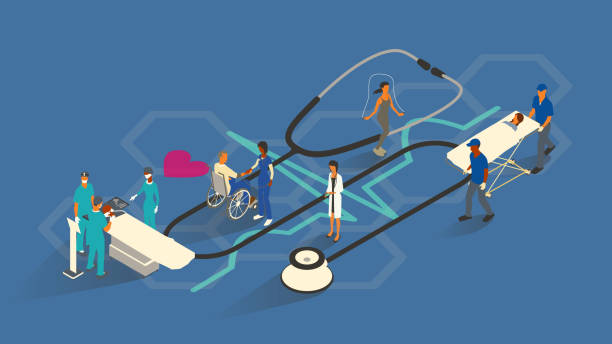
The handling of healthcare is not simple today. Costs rise. Systems feel slow. Mistakes happen.
In this guide, you’ll see how managed care systems are changing how healthcare works. We’ll explain what they do and how technology supports them, and how they help teams stay organized and efficient.
If you want to reduce admin stress or improve workflows, this will help. You’ll get clear, practical answers.
This guide focuses on real examples and proven solutions, such as Managed Care Systems, Inc. (MCSI), a trusted provider of managed care systems and managed care system solutions. They offer automated healthcare administration software, along with implementation and support services for PPOs, ACOs, self-funded employers, and stop-loss carriers.
What Are Managed Care Systems?
Managed care systems help organize healthcare. It links providers, patients and payers. The goal is clear. Lower costs and improve care. A managed care system ensures services follow a clear plan.
Definition and Purpose
A managed care system integrates care throughout a network. It assists patients to receive the appropriate treatment within due time. It also avoids waste. This approach maintains quality while keeping costs under control.
Key Components
A managed care system consists of provider networks, billing systems and enrollment tracking. It also makes utilization checks. These measures maintain managed care systems to be efficient and reliable.
Why Healthcare Needs Managed Care Systems
Healthcare is under pressure. The managed care system assists in introducing control. It takes the burden of the administration and ensures orderliness of work as systems expand.
More people are involved now. Providers, employers, insurers. A managed care system connects them. This prevents confusion and maintains clarity of communication.
Manual work slows everything down. Delays cost time and money. A managed care system is more efficient in terms of speed, and managed care systems guarantee flow and quicker outcomes.
How Technology Powers Managed Care Systems
In the current managed care system, technology is a shaping element. It replaces slow steps with faster, more reliable processes. An approach of managed care systems applies intelligent technologies to maintain smooth and controlled operations.
Automation of Administrative Tasks
Claims, billing and approvals are dealt with by automation. A managed care system is fast in carrying out work and minimizes errors.
This saves time and makes work the same. The managed care systems enhance accuracy in all transactions.
Cloud-Based Systems
Data is stored in a single location in the cloud platforms. The managed care system has easy and secure access.
It also supports growth. Managed care systems do not impede teams.
Data Integration and Analytics
Information systems give real-time information. A managed care system will assist teams in making superior decisions.
Clarity results in superior planning. Managed care systems enhance the results with knowledgeable undertakings.
Compliance and Security
Patient data are secured by security tools. There are rigid standards of a managed care system.
Strong systems reduce risks. Safe and compliant operations are guaranteed by managed care systems.
Role of Managed Care Systems, Inc. (MCSI)
A managed care system requires robust support in order to work. It is at that point that experience counts. An MCSI is a provider of managed care systems that make organizations remain organized and efficient.
Overview
MCSI is a reputable healthcare administration technology. A proven solution is more dependable in a managed care system.
Their strategy is down-to-earth. Managed care systems enjoy experience and performance stability.
Core Solutions
MCSI provides computerized administration software. A managed care system runs more smoothly when there are the appropriate tools.
They as well offer installation and maintenance. Managed care systems remain stable through the guided way of implementation.
Who They Serve
Their customers are PPOs, ACOs, and employers. A managed care system is flexible to other healthcare models.
They are also used by stop-loss carriers. Managed care systems will enable complicated designs with ease.
Key Capabilities
They have systems that handle the claims, networks and billing. A managed care system is precise in tasks.
Procedures remain on track and in focus. The managed care systems minimize the confusion and delays.
Value Provided
They ease complicated processes. Managed care systems are made easier to handle. Less admin work, better flow. Managed care systems promote effective operations.
Key Benefits of Managed Care Systems
A managed care system enhances the operation of healthcare. It maintains the order at work and lessens the strain. Team efficiency and focus are achieved through the use of managed care systems.
Operational Efficiency
A managed care system will cut down the manual labour. Activities take a shorter time to complete with fewer delays.
Cost Control
Administration costs in the managed care system are reduced. It helps avoid costly errors.
Data Accuracy
A managed care system stores data in a clean and consistent manner. Fewer mistakes occur.
Better Patient Experience
Approvals are expedited by a managed care system. Patients face fewer delays.
Scalability
A managed care system facilitates development. The managed care systems are flexible to growth in need.
Challenges in Implementation
There are undisputed advantages of a managed care system but it requires rigor to be put in place. Managed care systems take time to plan, prior to the results.
Initial cost can be high. The systems are also required to be linked with the existing tools. A managed care system must be properly integrated so that it is not disrupted.
New processes should be taught to the teams. Training takes time. A managed care system should also have good data protection. The systems in managed care are bound to abide by stringent security and compliance laws.
Future Trends in Managed Care Systems
A managed care system is transforming rapidly. Emerging technologies are defining care planning and delivery. The managed care systems are becoming intelligent.
Artificial intelligence and predictive analytics are used to predict demand. A managed care system is capable of leading to improved decisions and value-based care models.
Care is becoming more personalized. A managed care system is flexible to patients. The managed care systems will continue to advance in terms of improved technology and quicker systems.
Conclusion
Managed care is no longer elective. A managed care system contributes towards the ease of work, cost management and coordination. These systems simplify healthcare and are used in areas of automation to data insights.
You have just learned how managed care systems handle typical troubles and promote improved results. The way is more obvious and the movements are realistic. In case that can help, you can express your ideas or read more about this issue.
