



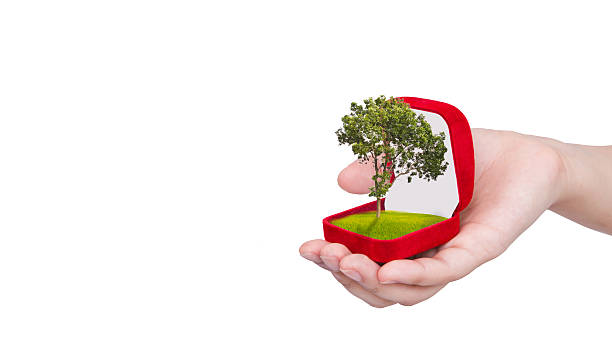
Engagement rings have always symbolised commitment, but the meaning attached to that commitment has broadened. Today, many people think beyond the moment of proposal and consider how a ring fits into their wider values, lifestyle and long term outlook. The decision is no longer only about how a ring looks, but about what it represents over time.
Within this shift, sustainable engagement ring options have become an increasingly natural part of the conversation. This interest is not driven by trend or pressure, but by coherence. A desire for jewellery that feels aligned with modern life, thoughtfully designed and chosen with awareness rather than habit.
Sustainability, in this context, is not a single feature. It is a mindset.
From tradition led choice to reflective decision
For much of the past century, engagement rings were selected within a narrow framework of expectation. Design conventions were repeated, often without much discussion around sourcing, longevity or everyday wear.
That framework has shifted. Modern engagements tend to involve more reflection and dialogue. Couples often take time to understand what they are choosing and why it feels right. Questions around durability, relevance and long term use now sit alongside aesthetics.
Sustainable engagement ring choices reflect this more thoughtful approach.
What sustainability means in modern jewellery
Sustainability in jewellery is often misunderstood as a purely environmental concern, but it extends further than that. It includes how materials are sourced, how rings are made, and how they are designed to be worn over time.
A ring that is comfortable, durable and worn consistently is inherently more sustainable than one that sits unworn. Design decisions that prioritise balance, proportion and resilience support longevity, reducing the likelihood of replacement or redesign.
In this sense, sustainability begins with suitability.
Longevity as a core design principle
Engagement rings are worn daily, often for decades. Designs that acknowledge this reality tend to feel more sustainable by default.
Lower profile settings, thoughtful band shapes and materials chosen for durability all contribute to a ring’s ability to integrate into everyday life. When a ring feels comfortable and secure, it is more likely to become part of routine rather than something that requires adjustment.
Longevity is not just about physical endurance, but about continued relevance.
Changing attitudes towards materials
As awareness has grown, so has interest in understanding materials more deeply. People want clarity around how stones are created, how metals behave over time and how consistency affects design.
This curiosity has influenced engagement ring choices. Materials are increasingly selected for reliability and predictability, supporting designs that prioritise harmony and wearability rather than excess.
Sustainable engagement ring options often emerge from this informed approach rather than from tradition alone.
A quieter definition of luxury
Sustainability has also reshaped how luxury is understood. Instead of being defined by scale or extravagance, luxury is increasingly associated with restraint, clarity and thoughtful execution.
Engagement rings designed with sustainability in mind often reflect this quieter definition. Clean lines, balanced proportions and refined settings allow quality to speak without embellishment.
This subtlety often proves more enduring than overt displays of opulence.
Engagement rings designed for real lives
Modern life is varied and dynamic. Engagement rings are worn through work, travel and everyday routine. Designs that acknowledge this reality tend to feel more relevant over time.
Sustainable engagement ring options often focus on how a ring sits on the hand, how it moves with daily activity and how it ages. These practical considerations influence everything from setting height to band width.
The goal is to create jewellery that supports life rather than interrupts it.
Moving away from trend driven decisions
Another important aspect of sustainability is resisting short lived trends. Rings chosen to reflect fleeting styles can feel dated quickly, leading to dissatisfaction or change.
Sustainable engagement rings often avoid overt trend markers. Instead, they prioritise proportion and timeless forms that remain adaptable as tastes evolve.
This approach allows the ring’s meaning to deepen rather than diminish over time.
Shared values and shared choices
Engagement rings are increasingly chosen together, shaped by conversation rather than surprise alone. This collaborative process reflects modern relationships and often brings shared values into focus.
Discussions around sustainability naturally emerge in this context. Choosing a ring that feels aligned with mutual priorities can add another layer of meaning to the piece.
The ring becomes a reflection of shared intention rather than a single gesture.
Emotional value beyond appearance
When jewellery is chosen with awareness, emotional attachment often grows more naturally. Understanding why a ring was chosen, how it was designed and what it represents can deepen its significance over time.
Sustainable engagement rings support this connection. Their value lies not just in how they look, but in the reasoning behind them.
This layered meaning often becomes more important than initial visual impact.
Why sustainability feels like a natural progression
The growing interest in sustainable engagement ring options reflects a broader cultural shift. People are choosing objects that align with how they live now, not simply with inherited expectations.
By prioritising longevity, thoughtful design and everyday relevance, sustainable engagement rings offer a way to honour commitment while remaining consistent with modern values.
Rather than representing a departure from tradition, sustainability feels like its evolution. A quieter, more considered approach to marking one of life’s most meaningful moments.
