



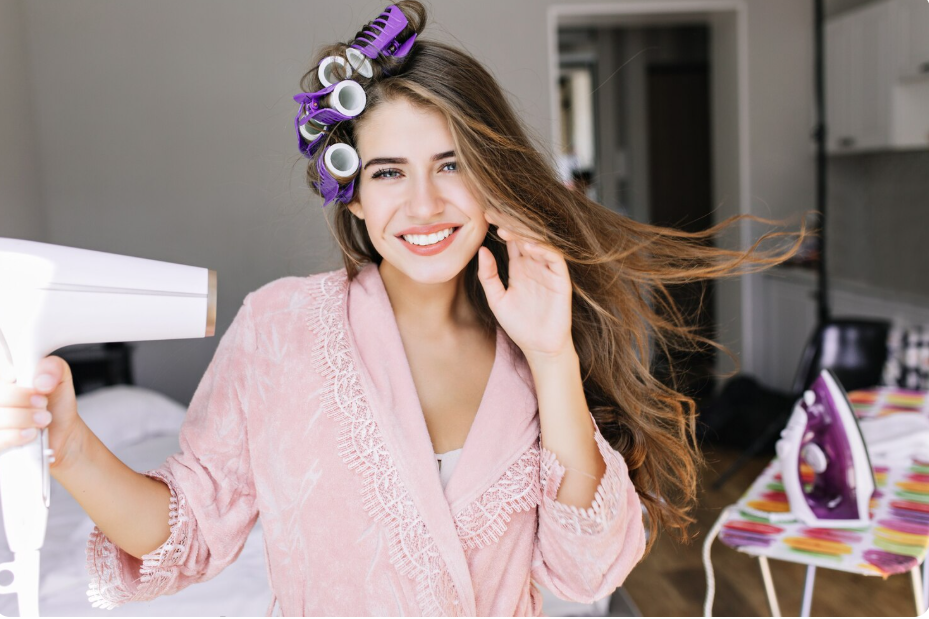
A good styling routine is rarely one-size-fits-all. The results you get depend on your hair type, hair texture, length, and what you actually want your hair to do. Most people’s first instinct is to reach for products, but the most consistent results tend to come from matching technique and tools to your hair’s specific needs before anything else. Choosing the right hair stylers and methods for your particular hair is one of the most practical steps you can take toward a routine that genuinely works.
Understanding Your Hair Type and Styling Needs
Hair is generally categorised as straight, wavy, curly, or coily — but within each of those categories, porosity, density, and strand thickness all influence how hair responds to styling. High-porosity hair absorbs moisture quickly but loses it just as fast, while low-porosity hair tends to resist moisture uptake altogether. Thick, dense hair may need more product and heat to style effectively, whereas fine hair can be weighed down with very little effort. The same technique applied to two different hair types can produce entirely different results, which is exactly why understanding your own hair is the only sensible starting point.
What a Balanced Styling Routine Includes
A well-structured routine follows a logical sequence:
- Cleansing — removes build-up without stripping natural oils
- Conditioning — restores moisture and improves manageability
- Detangling — reduces breakage before heat is applied
- Heat protection — shields the hair shaft during thermal styling
- Styling — shaping, smoothing, or defining
- Finishing — sealing and setting the style
Skipping any stage has real consequences. Styling without heat protection, for example, leaves hair exposed to unnecessary damage. Detangling after heat has been applied can cause just as much breakage as skipping detangling altogether.
Key Takeaway: Cleanse → Condition → Detangle → Protect → Style → Finish. Each step supports the next.
Choosing the Right Tools for Your Hair
Tools should be selected based on the result you’re after, not simply the category they fall into. Heat control, airflow strength, barrel size, and ease of handling all matter. Fine hair generally benefits from lower heat settings and lighter attachments, while thick or coily hair may need stronger airflow and broader styling surfaces. Someone with fine, straight hair styling for volume needs a completely different setup than someone with dense curls working toward definition — and treating those needs as interchangeable is where many routines fall apart.
How to Reduce Heat Damage While Styling
Heat damage is one of the most common and most avoidable styling problems. The warning signs include dryness, loss of elasticity, breakage, and persistent frizz. Applying a heat protectant before any thermal tool is non-negotiable, and sectioning hair properly helps avoid repeated passes over the same strands. It’s also worth noting that higher temperature control settings aren’t automatically more effective — using the lowest temperature that achieves your desired result is consistently the safer and smarter approach.
Matching Styling Methods to Common Goals
| Goal | Technique |
|---|---|
| Smooth and polished | Blow-dry with a paddle brush, low airflow |
| Volume and lift | Root-lifting technique, diffuser or round brush |
| Soft waves | Medium-barrel tool, loose wrapping |
| Curl definition | Diffusing, scrunching, or finger-coiling |
| Frizz reduction | Smooth-sealing products, low-heat finishing |
Common Mistakes That Make Styling Harder
Using too much heat too frequently is the most widespread error, but it’s far from the only one. Using the wrong brush type, applying product to unprepared hair, and neglecting scalp health all create unnecessary obstacles. Many people also load on too much product too early in the routine, which leads to build-up and undermines hold over time.
How to Build a Routine That Lasts
Simplicity helps more than most people expect. A repeatable process is far easier to maintain than a complicated one, and testing one change at a time makes it much easier to identify what’s actually improving your results. Seasonal shifts, humidity, and changes in hair length or overall condition all warrant a reassessment of what you’re doing. There’s no permanently “correct” routine — only one that fits your hair at a given point in time.
When to Seek Professional Advice
If you’re dealing with persistent breakage, unexplained thinning, scalp irritation, or severe dryness that doesn’t respond to changes in technique, a professional stylist or trichologist can offer targeted, qualified guidance. Home routines have limits, and knowing when to seek expert advice is as much a part of responsible hair care as anything else in this list.
Final Practical Takeaways
The most effective styling routine is one matched to your hair type, current condition, and specific goal. Tools, technique, and protection consistently matter more than chasing trends. A useful first step is to look critically at just one part of your current routine — your detangling method, your heat settings, or your conditioning approach — and improve it gradually. Small, well-informed adjustments tend to deliver more lasting results than overhauling everything at once.
