



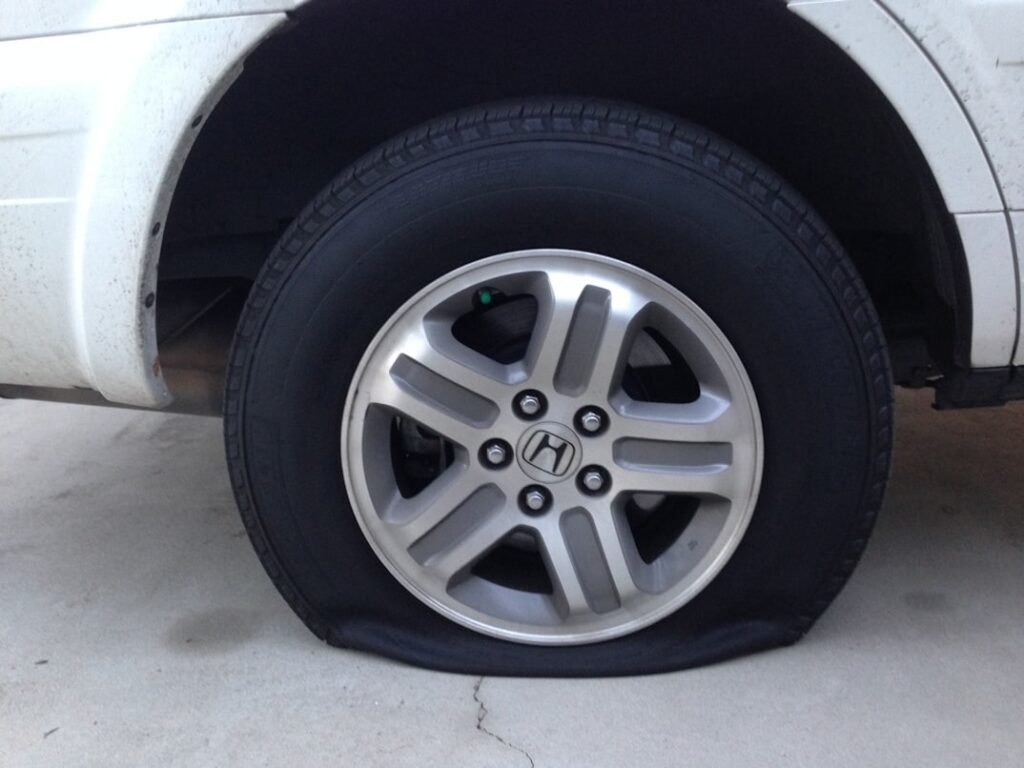
A flat tyre can happen to anyone, anywhere, at any time. Whether you are driving to work, heading on a family road trip, or simply running errands around town, a sudden loss of air pressure can be frustrating and even dangerous. Knowing what causes flat tyres, how professional repair works, and what steps you can take to prevent them will save you time, money, and stress. In this guide, we explain everything you need to know about flat tyre repair in simple, easy-to-understand language. You will learn the common causes, the benefits of choosing a professional service, how long repairs take, and how to reduce your risk of getting another flat.
What Can Cause a Flat Tyre?
Flat tyres are among the most common vehicle issues faced by Australian drivers. Our roads, weather conditions, and long driving distances all contribute to tyre problems. Understanding the causes can help you avoid them. Here are the most common reasons tyres go flat.
Nails, screws, or sharp debris on the road
This is by far the most frequent cause. Small metal objects like nails, screws, staples, or even broken glass can puncture your tyre. Often, the object stays lodged in the rubber, causing a slow leak rather than an immediate flat. You might not even notice until the tyre becomes visibly low days or weeks later.
Driving on underinflated tyres
When your tyres have insufficient air pressure, the sidewalls flex more than they should. This extra flexing generates heat and weakens the tyre structure. Over time, underinflation can lead to a blowout or a sudden flat. It also makes the tyre more vulnerable to punctures from sharp objects.
Impact damage from potholes or kerbs
Hitting a deep pothole, a sharp kerb, or a large rock can damage your tyre instantly. The impact can cause a bulge in the sidewall, a cut in the tread, or even a split that lets all the air out at once. In some cases, the wheel rim can also be bent, which creates an additional air leak.
Age-related tyre wear and deterioration
Tyres do not last forever. Even if you do not drive many kilometres, the rubber compound hardens and cracks over time. This is called dry rot. Old tyres are much more likely to fail or develop slow leaks. Most tyre manufacturers recommend replacing tyres that are six to ten years old, regardless of tread depth.
Faulty valve stems or slow leaks
The valve stem is the small rubber or metal fitting you use to add air. Over time, valve stems can crack, become loose, or collect dirt. This causes a very slow air leak that is hard to notice. Sometimes the leak comes from a poor seal between the tyre and the wheel rim. These issues often go undetected until the tyre is visibly flat.
While some flat tyres occur suddenly due to a large puncture or impact, many develop slowly over time. That is why regular tyre checks and early action are critical. A small slow leak can often be repaired cheaply if caught early. Ignoring it can lead to permanent tyre damage and a dangerous blowout.
The Benefits of Professional Flat Tyre Repair
When you get a flat tyre, you might be tempted to use a cheap emergency plug kit or ask an unqualified friend for help. However, choosing a professional flat tyre repair service offers much better confidence, safety, and long-term value. Here is why.
Safety comes first
Qualified technicians follow Australian standards when assessing your tyre. They will check whether the puncture is in a safe location, such as the tread area, and whether the tyre has any hidden damage inside. Some punctures cannot be safely repaired. For example, if the hole is in the sidewall or shoulder of the tyre, or if the tyre has been driven on while flat, the internal structure may be destroyed. A professional will never repair an unsafe tyre. This protects you and your passengers from a sudden failure at high speed.
Correct repair methods
Many DIY repair kits use an external plug that is pushed into the puncture from the outside. This method is not considered a permanent or fully safe repair. Professional repair involves removing the tyre from the rim and inspecting the inside. The technician then applies an internal patch or a plug patch combination. This seals the hole from the inside and bonds with the tyre’s inner liner. This restores the tyre’s integrity and strength. It also allows the technician to check for any other damage that might be invisible from the outside.
A cost-effective solution
Repairing a tyre is often far cheaper than replacing it. A typical professional repair costs a fraction of a new tyre. If the puncture is small and located in the tread area, repair is usually the best option. However, if the tyre is old, heavily worn, or damaged beyond safe repair, the technician will recommend a replacement. Either way, you get an honest assessment without wasting money on a temporary fix that could fail later.
Peace of mind
After a professional repair, you leave the workshop knowing your tyre is roadworthy. The technician will balance the tyre to avoid vibrations, inflate it to the correct pressure, and often check the other three tyres as well. You can drive confidently without worrying about the repair failing. This peace of mind is something a roadside DIY plug simply cannot offer.
How Long Does a Flat Tyre Repair Take?
Time is precious, especially if you are on your way to work or picking up kids from school. The good news is that a standard flat tyre repair is typically completed within a short visit. Most professional workshops can repair a single tyre in 20 to 40 minutes. This includes removing the wheel, taking the tyre off the rim, inspecting the inside, applying the internal patch or patch plug, remounting the tyre, balancing it, and reinstalling it on your vehicle.
If the tyre needs to be removed from the car and you have a spare tyre, the process can be even faster. Some mobile tyre repair services come to your location. They can complete the repair at your home, office, or roadside. This is very convenient for busy drivers.
More complex situations may take longer. For example, if multiple tyres are damaged, if the wheel rim is bent and needs straightening, or if the technician discovers additional issues like a worn valve stem or a corroded rim. However, the time spent is far outweighed by the risk of driving on a compromised tyre. A few extra minutes at the workshop is nothing compared to the hours of hassle from a blowout on a remote highway.
How to Reduce the Risk of Flat Tyres
Prevention is always better than a cure. Simple habits can significantly reduce the likelihood of needing flat tyre repair. You do not need to be a mechanic. Just follow these easy steps.
Check tyre pressure monthly
Use a reliable tyre pressure gauge. Check your tyres when they are cold, meaning before you have driven more than a few kilometres. Compare the readings to the recommended pressure listed on the sticker inside your driver’s door frame or in your owner’s manual. Do not rely on the tyre’s sidewall number. That is the maximum pressure, not the recommended one. Properly inflated tyres resist punctures better and wear more evenly.
Inspect tyres for visible damage
Once a month, walk around your car and look at each tyre. Check for cuts, bulges, cracks, or embedded objects like nails or screws. Also check the tread depth. A simple way to do this is the twenty cent coin test. Insert a coin into the tread grooves. If you can see the outer part of the coin, your tread is too low, and the tyre is more vulnerable to punctures. Replace tyres before they become too worn.
Avoid potholes where possible
While you cannot avoid every bump in the road, you can train yourself to watch for potholes, debris, and sharp edges. Slow down when you see a pothole. If you cannot avoid it, try to hit it with the tyre as straight on as possible rather than at an angle. This reduces the risk of sidewall damage and rim impact.
Rotate tyres as recommended
Your vehicle’s manual will suggest a tyre rotation schedule, usually every 5,000 to 10,000 kilometres. Rotating tyres helps them wear evenly. Even wear means fewer thin spots and less chance of a puncture reaching the inner layers. It also extends the life of your tyres, saving you money.
Replace tyres before they become overly worn
Do not wait until the tread is completely smooth. The legal minimum tread depth in most of Australia is 1.5 millimetres, but many experts recommend replacing at 3 millimetres for better wet weather grip and puncture resistance. Also replace tyres that are more than six years old, even if they look fine. Old rubber is brittle and more likely to crack or separate.
Be careful with loads
Carrying heavy loads increases stress on your tyres. If you are towing a trailer or loading your car with luggage, increase your tyre pressure according to your owner’s manual. Overloaded tyres run hotter and are more prone to punctures and blowouts.
Regular tyre maintenance not only helps prevent flats but also improves fuel efficiency and handling. A well maintained set of tyres can save you hundreds of dollars per year in fuel and repair costs.
What to Do When You Get a Flat Tyre
Despite your best prevention efforts, a flat tyre can still happen. When it does, stay calm. If you are driving, slow down gradually. Do not slam on the brakes. Pull over to a safe, flat area away from traffic. Turn on your hazard lights. If you have a spare tyre and know how to change it safely, you can do so. Otherwise, call for roadside assistance or a mobile tyre repair service. Never drive on a completely flat tyre, even for a short distance. Doing so will destroy the tyre and possibly damage your wheel rim and suspension.
Seek Professional Flat Tyre Repair Services
When faced with a flat tyre, your goal is not just getting back on the road. It is staying safe long after the repair. Choosing an experienced, reputable provider ensures your flat tyre repair meets safety standards and manufacturer guidelines. A professional assessment helps you decide whether repair or replacement offers the best outcome for your situation. Remember that a cheap temporary fix can cost you much more in the long run if it fails. Invest in quality work from a qualified technician. Your tyres are the only part of your car that touches the road. Their condition directly affects your safety, your passengers, and everyone else sharing the road with you.
Do not ignore a slow leak. Do not rely on a can of emergency sealant as a permanent solution. And never postpone a repair because you are too busy. A few dollars and a short visit to a tyre shop today can prevent a dangerous, expensive breakdown tomorrow. Keep your tyres properly maintained, act quickly when you notice a problem, and always choose professional flat tyre repair. Your car, your wallet, and your peace of mind will thank you.
