



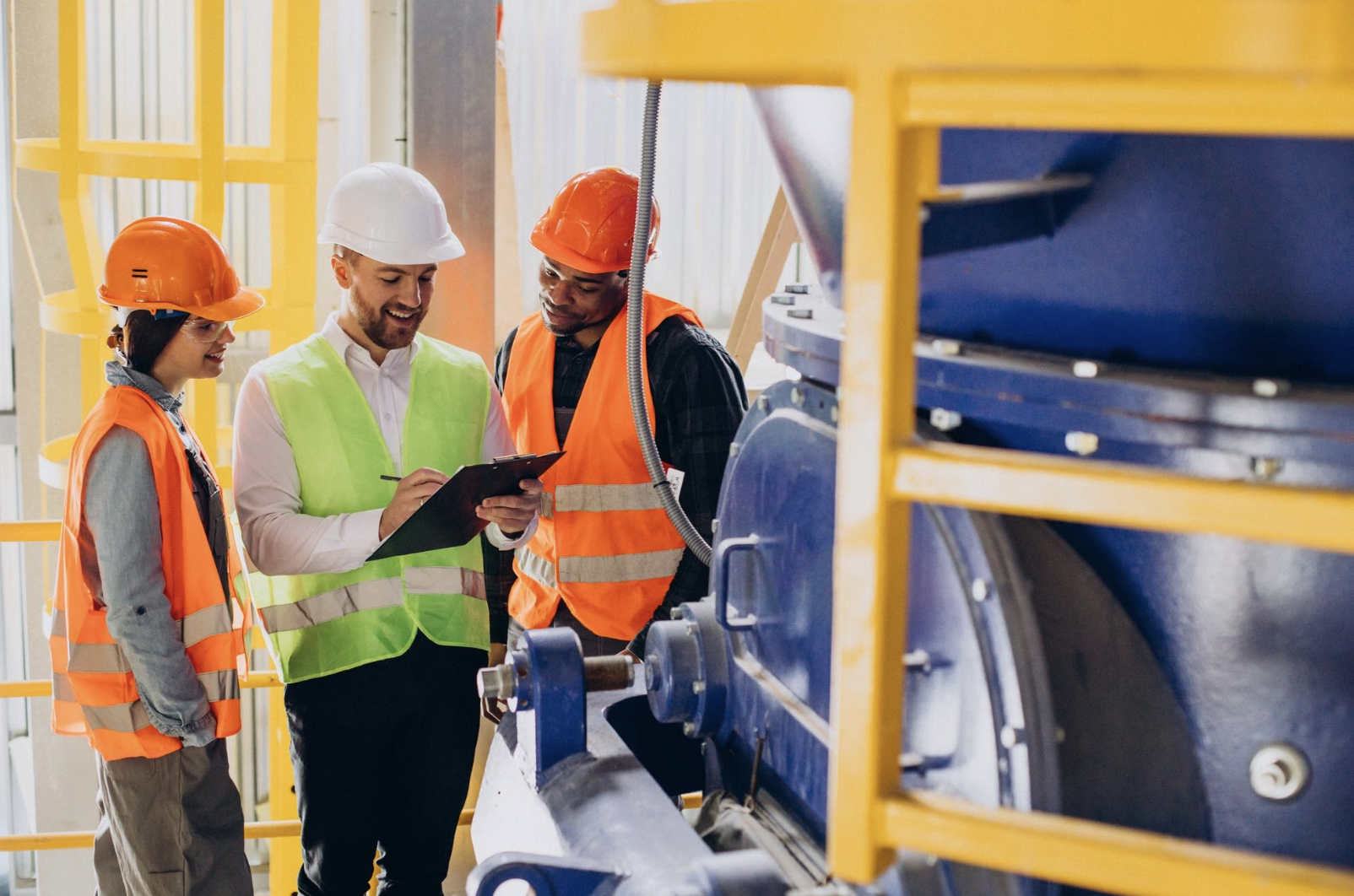
A fall on the plant floor can happen in seconds. The cost lasts much longer. Lost workdays, fines, and damaged trust all follow.
This article walks you through real solutions. You will learn how custom industrial safety solutions protect workers and keep facilities compliant. We cover self-closing gates, toeboards, safety hooks, and molded components built for tough conditions.
You are not looking for theory. You want products that hold up and rules that make sense. That is what this guide gives you.
Intrepid Industries has spent years building OSHA-compliant safety gear for refineries, warehouses, and construction sites. Their work shows up in the details: gates that close on their own, hooks rated for real load, and parts molded to survive heat, chemicals, and daily wear.
By the end, you will know what to look for, what to fix, and how a solid plant safety audit checklist helps you catch problems before they cause harm.
Why Industrial Facilities Need Custom Safety Solutions
Standard safety gear often does not fit the space it is meant to protect. Every facility has its own layout, its own hazards, and its own traffic flow.
The Limits of One-Size-Fits-All Gear
Off-the-shelf railings and gates rarely match odd openings or mezzanine edges. A gap of even a few inches can turn into a fall hazard.
Custom-built products close that gap. They match the exact opening, the exact load, and the exact use case on your floor.
The Real Cost of Fall Hazards
Fall protection issues sit near the top of OSHA’s most cited violations year after year. That is not a small statistic. It points to a problem many facilities still have not solved.
Fines are only part of the cost. Injuries slow production, raise insurance rates, and hurt morale. A single incident can undo years of safety progress.
Core Product Solutions From Intrepid Industries
Good safety gear does one job well. It stays in the way of danger, not in the way of work.
Self-Closing Safety Gates
Self-closing gates guard ladderways, mezzanines, and elevated openings. They shut on their own after someone passes through, so the opening is never left exposed by mistake.
This matters most in busy areas where workers move fast and hands are full. A gate that closes itself removes one more chance for human error.
Toeboards
Toeboards stop tools and materials from sliding off elevated platforms. A dropped wrench from twenty feet up can seriously injure someone below.
OSHA requires toeboards in many elevated work zones for this exact reason. They are a small part with a big job.
Safety Hooks and Molded Polyurethane Components
Safety hooks give workers a secure point to attach fall arrest gear. Reliable hardware here is not optional. It has to hold under real stress, every time.
Custom molded polyurethane parts add another layer of protection. They resist heat, chemicals, and constant impact, which matters in refineries and heavy industrial settings where standard plastic or rubber wears out fast.
Building a Plant Floor Safety Culture
Products alone do not keep people safe. Culture does the rest of the work.
Why Equipment Needs Backup
Even the best gate or hook fails if no one checks it or trains around it. Safety has to become a habit, not a checklist item done once a year.
Intrepid Industries breaks this down further in their guide on plant floor safety culture systems, showing how training, signage, and daily habits work together with equipment.
Training and Consistency
Regular training keeps hazards fresh in workers’ minds. Clear signage reminds people of rules without needing a supervisor present.
Consistency is what makes safety stick. One good training session will not protect a plant for years. Repetition does.
Conducting a Plant Safety Audit
You cannot fix what you do not measure. A regular audit finds weak points before they cause harm.
Finding High-Risk Areas
Places that are high-risk areas usually have sided platforms, ladder access points and elevated walkways. These high-risk areas need people to check them a lot, not just look at them one time a year.
A structured plant safety audit checklist turns a vague walk-through into a clear process anyone on the team can follow.
Turning Findings Into Action
An audit is only useful if it leads to change. Pair your findings with the right equipment fix, whether that means a new gate, added toeboards, or stronger hooks.
This is where custom solutions earn their value. They solve the exact problem the audit uncovers, not a generic version of it.
Why Facilities Choose Intrepid Industries
Facilities that handle heavy risk need gear built for heavy use. Intrepid Industries manufactures OSHA-compliant products designed for refineries, warehouses, and construction sites where failure is not an option.
Their focus on durable, custom-fit solutions helps facilities lower fall risk and stay compliant without cutting corners.
Conclusion
Fall protection does not have to be complicated. The right gates, toeboards, hooks, and molded components solve real problems on the plant floor, and a solid audit process keeps those solutions working.
You now have a clear path forward: assess your risk areas, match them with the right equipment, and build habits that keep safety consistent.
If this guide helped clarify your next step, share it with your team or explore Intrepid Industries’ resources for a deeper look at building a safer plant floor.
